Integrating neural networks to assess product design
Using dataviz to assist managers with performance reviews and team decisions.
Year:
2022
Tools:
Tensorflow, python , cursor
Duration:
3 months
Overview:
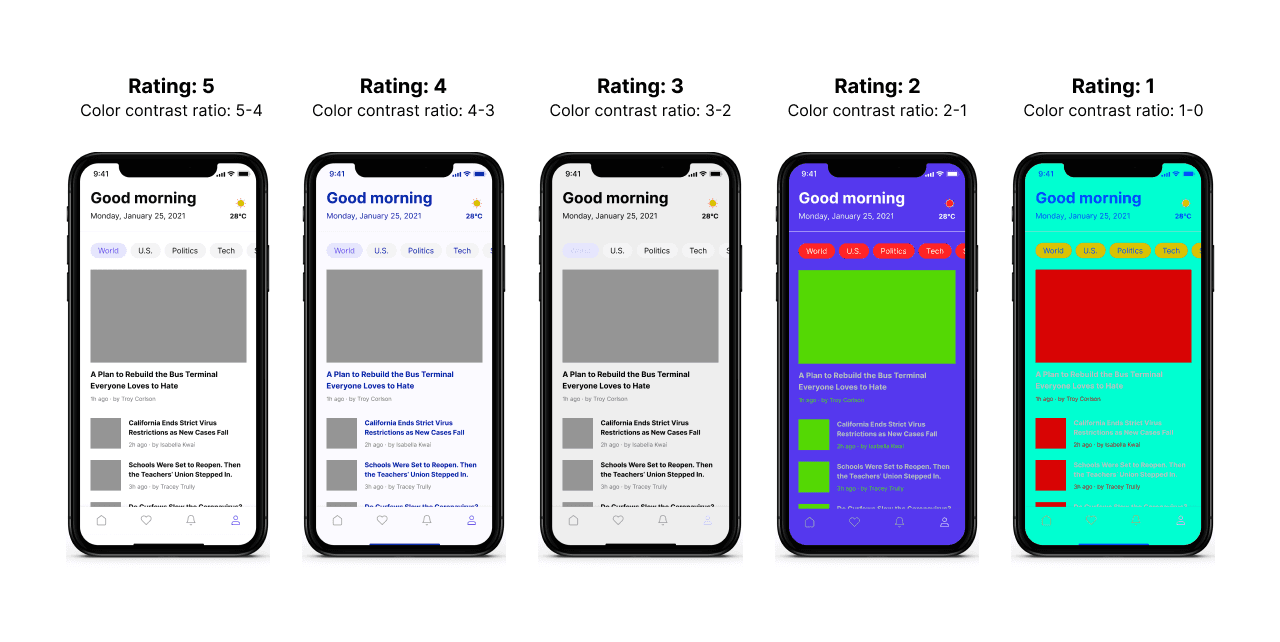
The significance of this research lies in its potential to revolutionize the way UI design is evaluated and improved. By automating the wireframe testing process, designers can save time, mitigate subjective biases, and enhance the overall quality and effectiveness of the final interface. The findings of this study will not only empower designers but also contribute to improving user experiences and driving innovation in UI design. The results will have practical implications for various industries, including mobile applications, websites, software interfaces, and interactive systems.
Method:
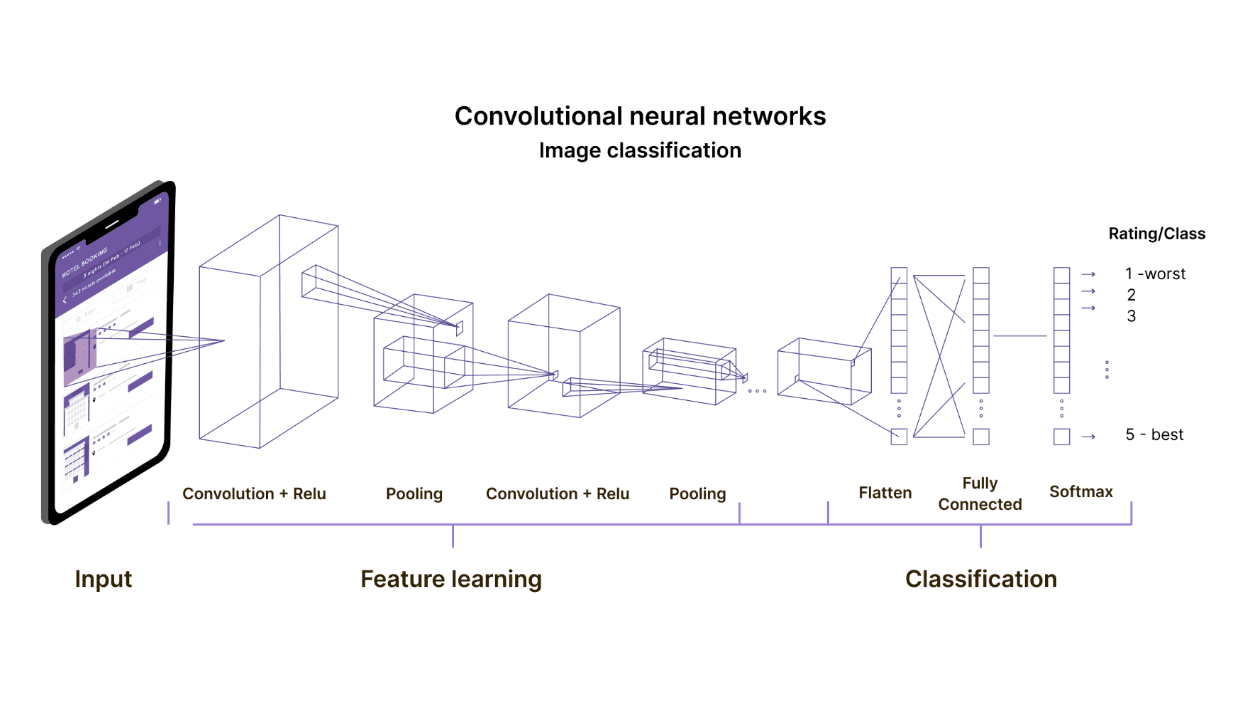
What this thesis aims is to propose a partial automation: This level of automation includes tools that can perform some usability evaluation tasks independently but still require human involvement for more complex or subjective tasks. An example is automated tools that can identify basic usability problems in a user interface, such as missing labels or broken links, but require human evaluators to identify and interpret more subtle or complex usability issues (Ivory, M. Y., & Hearst, M. A., 2001).

Dataset:
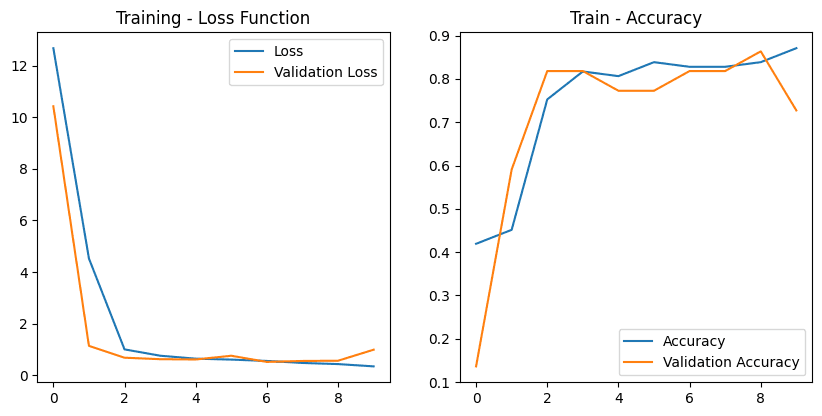
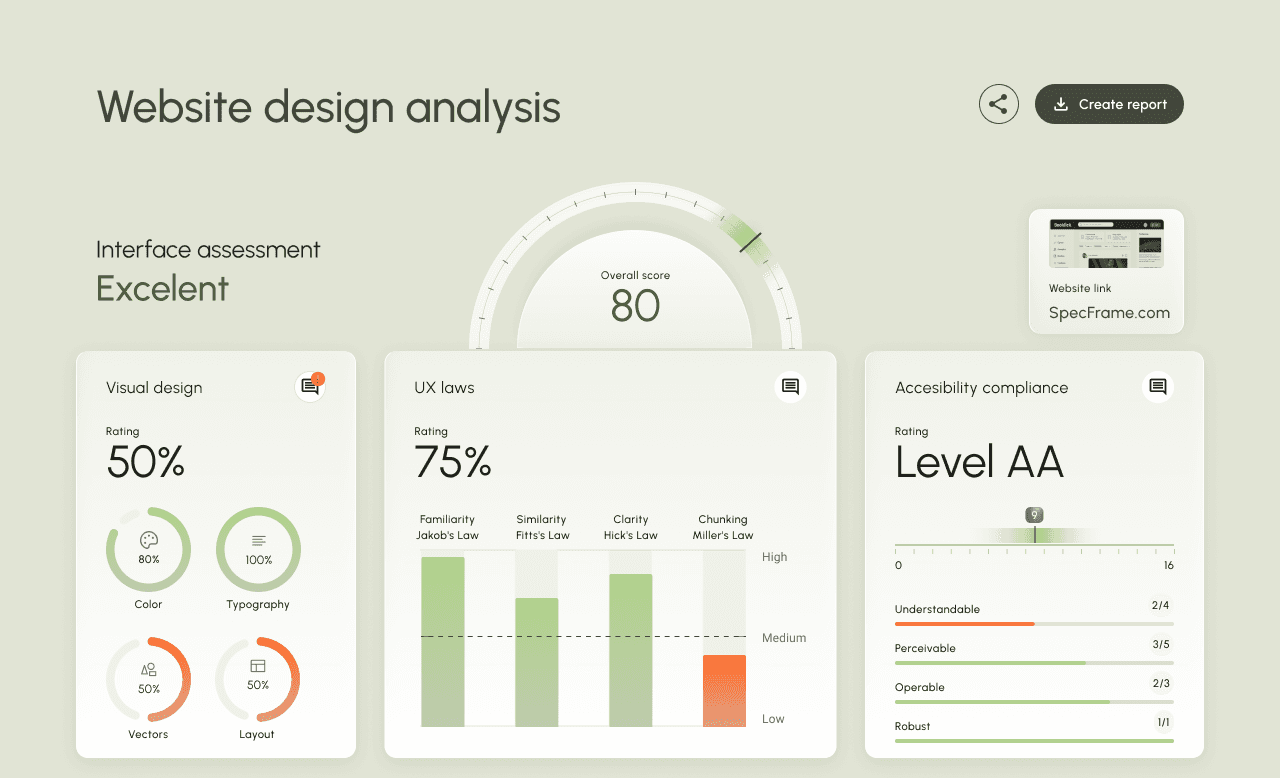
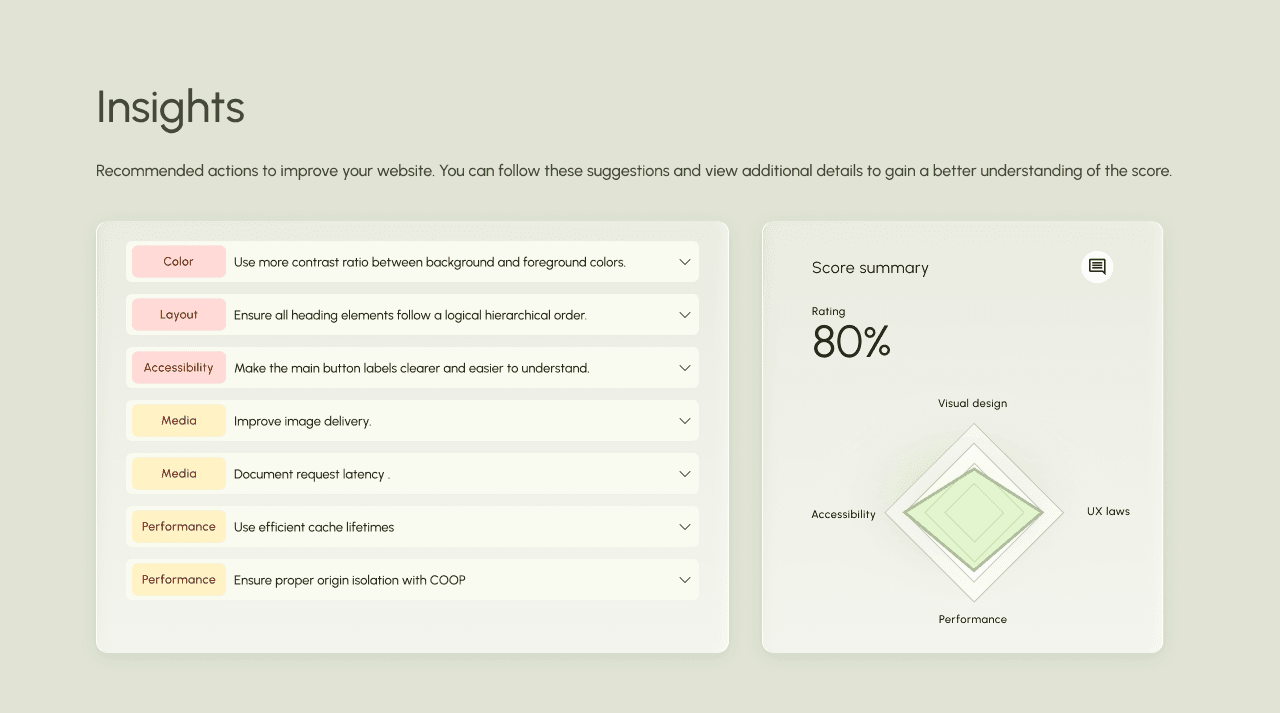
To validate the proposed approach, a comprehensive dataset is utilized from TNS, a reputable software company with over 30 years of experience in developing websites and mobile apps. The dataset covers diverse industries and design requirements, ensuring the validity and applicability of the approach. Extensive experimentation and evaluation will be conducted to assess the effectiveness of CNN-based wireframe testing in accurately identifying guideline violations and providing actionable insights for design refinement.
Implications and future research
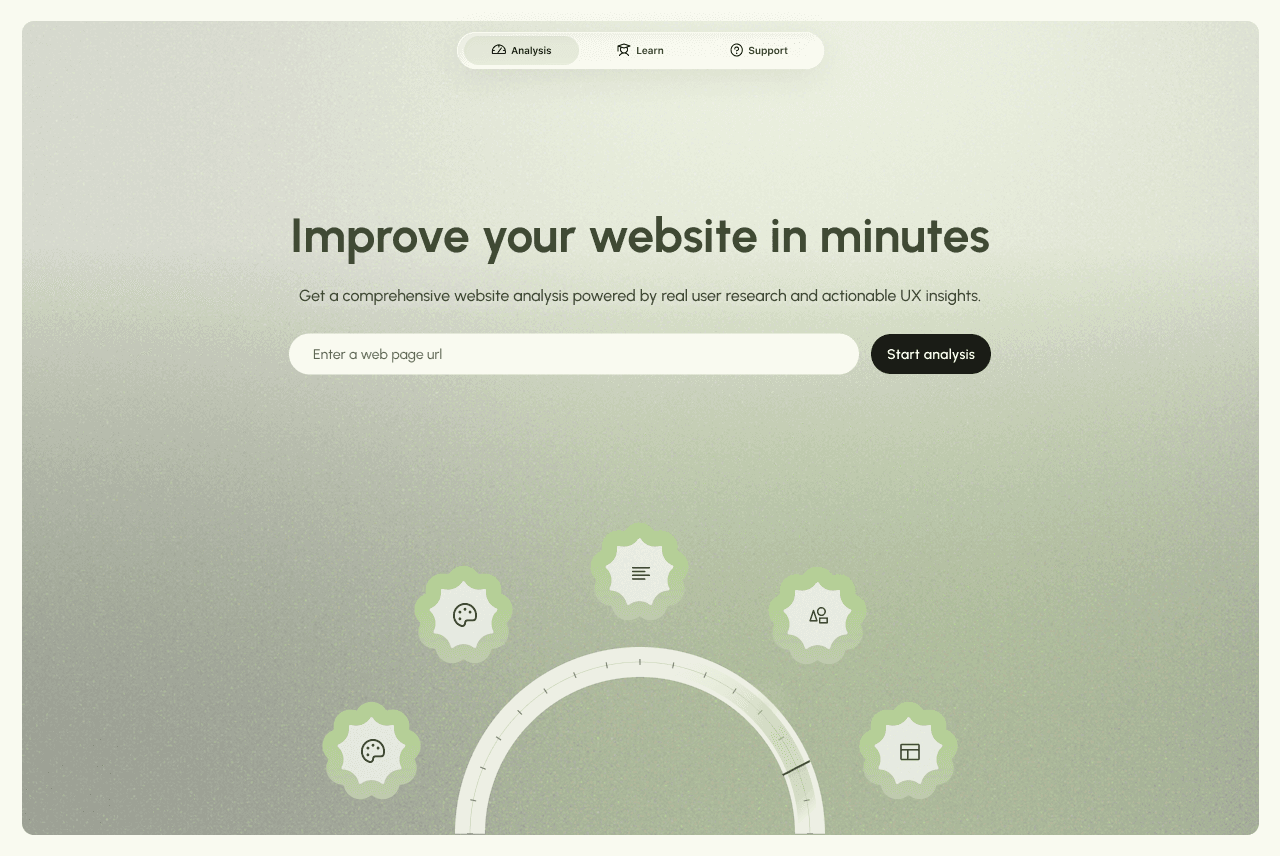
Further research is needed to explore and refine the integration of CNN-based wireframe testing into the design thinking process. Areas of investigation include expanding the dataset to cover a wider range of components and design requirements, incorporating additional technologies such as Natural Language Processing (NLP) to analyze textual content, and exploring advanced visualization techniques to communicate insights effectively. Ongoing research and advancements in the field of data science and UX design will continue to shape and enhance the application of data-driven decision making in usability testing.
Testing other CNN architectures
One area of future research is the exploration and development of more advanced CNN architectures. Researchers can investigate novel architectures, such as recurrent neural networks (RNNs) or attention-based models, to capture temporal and contextual information in wireframes. These advanced architectures can potentially improve the accuracy and efficiency of wireframe testing, providing more nuanced feedback on the usability and effectiveness of UI design.
Increase the size of the training dataset
One of the most effective ways to improve the accuracy of a CNN model is to increase the size of the training dataset. This can help the model learn more features and patterns in the data, and reduce overfitting (Goodfellow, Bengio, & Courville, 2016). Expanding the database can be achieved in several ways. One approach is to collect more data by conducting additional user studies or surveys to gather a larger dataset of wireframes. Another approach is to augment the existing dataset by generating new wireframes using techniques such as data augmentation or synthesis. This involves applying transformations or modifications to the existing wireframes to create new variations, which expands the diversity of the dataset and can improve the model's ability to generalize to new data.
Add new evaluation rubrics
Incorporating additional modalities, such as textual and semantic information, into the wireframe testing process can also provide a more comprehensive understanding of the design elements. Combining visual analysis with natural language processing techniques can enable a more holistic evaluation of wireframes, taking into account both visual and semantic guidelines. This multimodal analysis can potentially improve the accuracy and objectivity of
90
wireframe testing, providing designers with more nuanced feedback on the usability and effectiveness of their designs.
Finally, integrating user feedback and behavioral data into the wireframe testing process can further enhance the user-centricity of the design thinking process. Researchers can explore techniques to collect and analyze user feedback and behavior, integrating this data into the evaluation of wireframes and UI guidelines, and leveraging it to drive data-driven design decisions. This approach can potentially improve the user experience and satisfaction, as it takes into account the needs and preferences of the end-users.